

Tannic acid is a byproduct of decaying plant matter. Tannic acid is what gives tea, wine, and coffee their colour and bitter flavour. Its antioxidant (helps protect cells from damage), anti-inflammatory (reduces swelling) and antimicrobial (kills bacteria and fungi). So, it has many benefits, the downside is tannic acid is hard for the body to absorb.
Why Is Tannic Acid Hard to Absorb?
It’s a large, complex molecule, so it doesn’t pass through the body’s cells easily, compared to most nutrients, and struggles to pass through the intestinal walls into the bloodstream. As a result, only about half of the tannic acid consumed is actually absorbed.
To make tannic acid more effective, scientists have created nanoparticles to carry the tannic acid and deliver it more efficiently to the parts of the body where needed.
What Are Nanoparticles?
Nanoparticles are extremely small particles, measured in nanometres (a nanometre is one-billionth of a meter). They are so tiny that they can easily pass through cell membranes and tissues, unlike larger particles.
The key thing to understand is that nanoparticles are designed to carry substances like tannic acid, protect them from being broken down, and deliver them to the localised area.
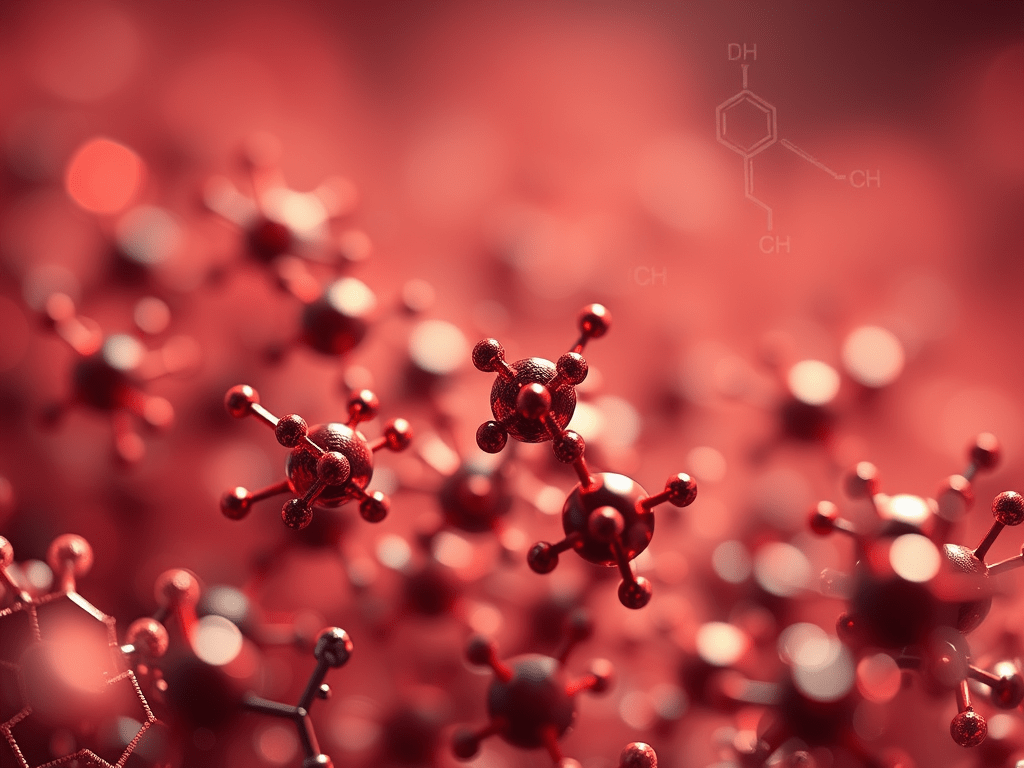
For this research, the scientists used chitosan nanoparticles.
Chitosan (pronounced kai-tuh-san) is a biodegradable (capable of being decomposed), safe, and naturally occurring substance derived from the shells of shrimp and other crustaceans. It’s non-toxic and can be easily broken down by the body, due its natural structure and ability to be digested by body enzymes.
So, in this experiment, when you hear Chi-TA-NPs (Chitosan-Tannic Acid Nanoparticles), it just refers to tiny chitosan particles that have tannic acid loaded inside them.
What the Study Found
1. Fighting Infections
The researchers tested Chi-TA-NPs against several harmful microorganisms, including bacteria and fungi, which can cause infections. Here’s what they discovered:
- Listeria monocytogenes: A harmful foodborne bacteria, which is sometimes resistant to antibiotics. Chi-TA-NPs stopped its growth at 250 µg/mL (microgram per millilitre), while free tannic acid (without nanoparticles) needed 1250 µg/mL to achieve similar results. This shows an over 80% increase in effectiveness with Chi-TA-NPs.
- E. coli and Klebsiella pneumoniae: Both are nasty infections and often resistant to antibiotics. Chi-TA-NPs worked at 1000 µg/mL, much more effective than free tannic acid, which required 5000 µg/mL.
Why does this matter?
Antimicrobial resistance (when bacteria become resistant to antibiotics) is a serious issue. Around 700,000 people die annually from infections resistant to current antibiotics. The Chi-TA-NPs could be a promising tool to fight against the resistance.
2. Killing Cancer Cells
The study also tested Chi-TA-NPs on liver cancer cells. The researchers found that Chi-TA-NPs were significantly better at killing these cancer cells compared to free tannic acid.
- The IC50 value (the concentration of tannic acid needed to kill 50% of the cells) for Chi-TA-NPs was 500 µg/mL, compared to 612 µg/mL for free tannic acid. This means Chi-TA-NPs made tannic acid about 18% more effective at killing cancer cells.
Why does this matter?
Liver cancer is the third leading cause of cancer-related deaths, and traditional treatments often have severe side effects. Nanoparticles like Chi-TA-NPs can potentially target cancer cells more directly, making treatments more effective and less toxic for healthy cells.
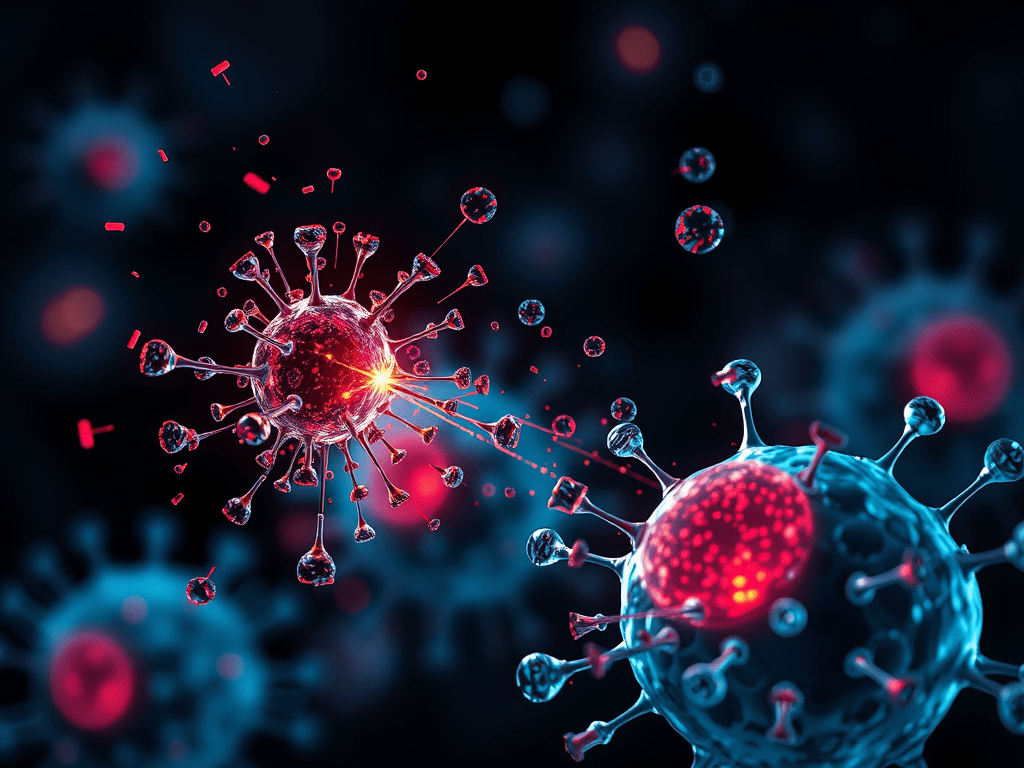
How Do Chi-TA-NPs Work?
Chi-TA-NPs are tiny, engineered particles designed to carry tannic acid and deliver it to specific areas of the body. These nanoparticles are small enough to pass through cell walls and tissues, including the small intestine where nutrients are absorbed.
Once inside the body, Chi-TA-NPs slowly release tannic acid over time, making it more effective. This controlled release allows tannic acid to stay active for longer periods and reach the areas where it’s most needed, like infected tissue or cancer cells.
In essence, Chi-TA-NPs make tannic acid much more absorbable, targeted, and effective in fighting infections and treating cancer.
What’s Next for This Research?
The study didn’t find major changes in DNA methylation (a process that affects gene expression and cancer development) in the liver cancer cells, but the researchers think that higher doses or longer treatment times could produce more significant changes.
DNA Methylation is a process where chemical tags (called methyl groups) attach to DNA and can turn genes on or off. In cancer, methylation can turn off genes that normally help stop tumour growth. If Chi-TA-NPs can influence this process, they might not only fight cancer more effectively but also potentially reverse some of the genetic changes that lead to cancer.
Takeaway
This research shows that Chi-TA-NPs could be an important advancement in treating infections and cancer. By using nanoparticles to deliver tannic acid, the researchers were able to:
- Increase antimicrobial effectiveness by over 80% compared to free tannic acid.
- Boost anticancer effectiveness by about 18% compared to free tannic acid.
These results suggest that Chi-TA-NPs could be a useful tool in the fight against drug-resistant infections and cancer, especially in cases where traditional treatments might not be as effective.
By improving how tannic acid is delivered and absorbed, Chi-TA-NPs might lead to more effective treatments that are also less toxic to healthy cells.
Source:
This article is based on the study “Antimicrobial activity and cytotoxic and epigenetic effects of tannic acid-loaded chitosan nanoparticles” by Marzieh Rashidipour et al., published in Scientific Reports (2024). Read the full paper here: Scientific Reports.
 thinkbio.co.uk
Leave a comment