
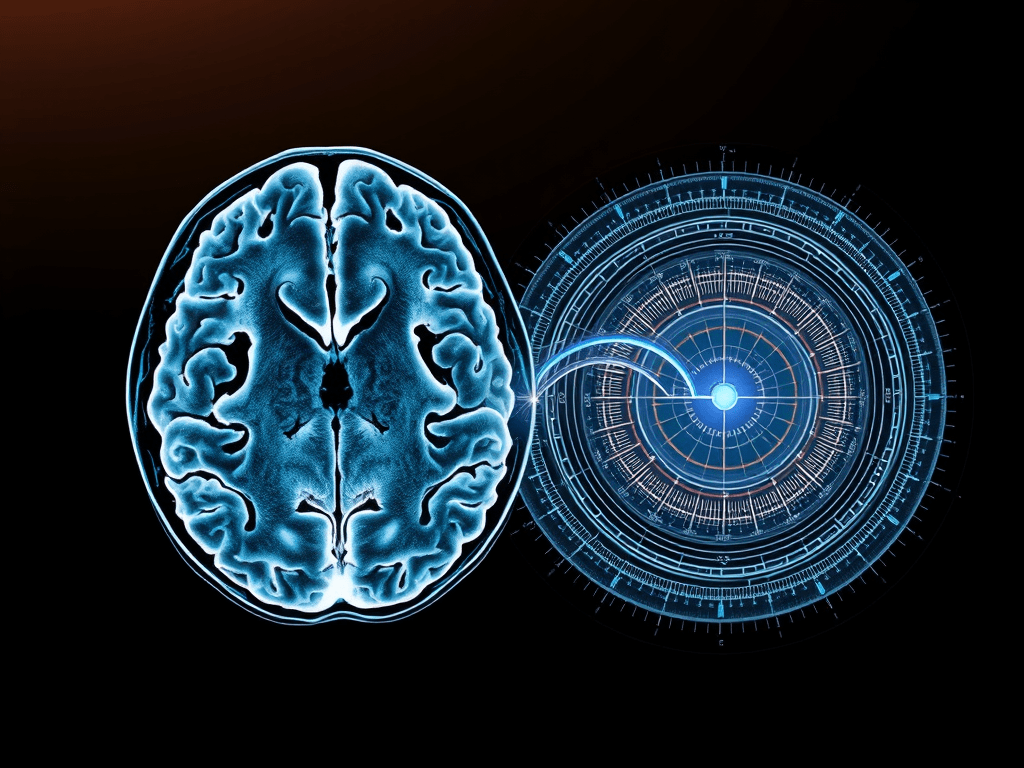
Your body has an internal clock, known as the circadian rhythm, this clock regulates everything from your sleep patterns to how your body repairs itself. Nearly every cell in your body operates on a schedule, all coordinated by a central clock in your brain. It’s what keeps us in sync with the 24-hour day-night cycle.
But glioblastoma, one of the deadliest brain cancers, has figured out how to hijack this system. New research from Washington University in St. Louis reveals that this aggressive tumour aligns its growth with the body’s daily rhythms, taking advantage of predictable hormone surges like cortisol.
What Is Glioblastoma, and Why Is It So Dangerous?
Glioblastoma is the most common malignant brain tumour in adults. It grows quickly, adapts to its environment, and resists most standard treatments like surgery, radiation, and chemotherapy. Its ability to exploit the body’s biology is one reason it’s so hard to treat.
Researchers have discovered that glioblastoma cells are not random in their growth. Instead, they synchronize with the body’s circadian rhythm to fuel their development.
“Glioblastoma takes its cues from hormones released by the same central clock in the host that establishes the body’s regular daily rhythms,” explained Erik D. Herzog, PhD, senior author of the study.
The Role of Cortisol
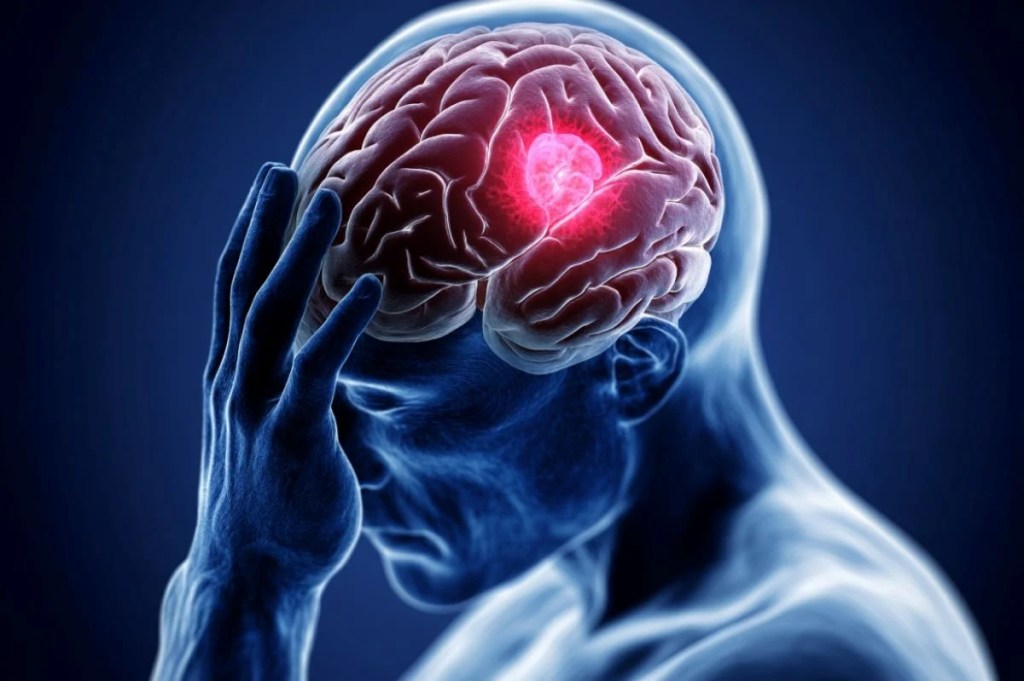
Each morning, just before you wake up, your brain triggers the release of glucocorticoid hormones, including cortisol. These hormones are essential for waking you up, boosting your energy, and preparing you for the day. But for glioblastoma, cortisol acts as a growth stimulant.
The tumour aligns its clock with this daily hormone surge, ensuring it grows during periods when your body is naturally more active and providing the resources it needs to thrive.
Breaking the Tumour’s Clock
Could disrupting this synchronization slow the tumour down? To find out, researchers placed tumour-bearing mice in environments where the light and dark cycles were altered, inducing “jet lag.” This desynchronized the mice’s circadian rhythms and, in turn, the tumours.
The results were clear: tumour growth slowed significantly when the clock was disrupted. Imaging revealed that the tumour’s clock genes began to misfire as the host’s rhythm changed.
“Blocking the daily surge in glucocorticoid signalling desynchronizes circadian rhythms in glioblastoma from the host and dramatically slows disease progression in tumour-bearing mice,” Herzog explained.
Why the Timing of Treatments Matters
The study also highlighted the importance of timing when administering treatments. One commonly used drug, dexamethasone (DEX), is a synthetic steroid prescribed to reduce brain swelling in glioblastoma patients. However, its effects depend heavily on the time of day it’s given:
- Morning DEX: Tumour growth increased significantly, as it coincided with the natural cortisol surge, amplifying the tumour’s activity.
- Evening DEX: Tumour growth slowed significantly, as cortisol levels naturally dip at night, leaving the tumour less active and more vulnerable to treatment.
“For many years, the use of DEX for glioblastoma has remained controversial because of studies showing either growth-promoting or growth-suppressing effects,” said Maria F. Gonzalez-Aponte, PhD, first author of the study. “Knowing that glioblastoma has daily rhythms, we immediately asked if time of day of DEX administration could explain these different findings, and it seems like it does.”
Chronotherapy
The findings support a growing field of medicine called chronotherapy, where treatments are timed to align with the body’s biological rhythms. For glioblastoma, this means targeting the tumour when it is least active, such as in the evening, rather than during its peak growth phase.
This approach doesn’t require new drugs. Instead, it uses what we already have more effectively, offering an immediate and low-cost way to improve treatment outcomes.
“The interaction between brain tumours and the circadian system is now a targetable mechanism to optimize treatments,” Herzog said.
What’s Next?
While these findings come from mouse models, they pave the way for human trials. Early evidence suggests that patients with glioblastoma tumours expressing lower glucocorticoid receptor activity, which is key to cortisol signalling, live 60% longer than those with higher levels. This highlights the potential of targeting the tumour’s reliance on glucocorticoid signals.
“As we continue to study this brain tumour—how it grows, how it interacts with other cells in the brain, and how it responds to therapies—it is important to acknowledge that timing is an essential variable,” Gonzalez-Aponte emphasized.
Fighting Smarter, Not Harder
Glioblastoma is one of the most challenging cancers to treat, but this research offers hope. By understanding how it exploits the body’s natural rhythms, scientists are finding smarter ways to fight back. Chronotherapy, timing treatments to exploit a tumour’s weaknesses, could change how we approach not only glioblastoma, but potentially many other cancers.
This article is based on research from Washington University in St. Louis, as reported by EurekAlert!.
 thinkbio.co.uk
Leave a comment